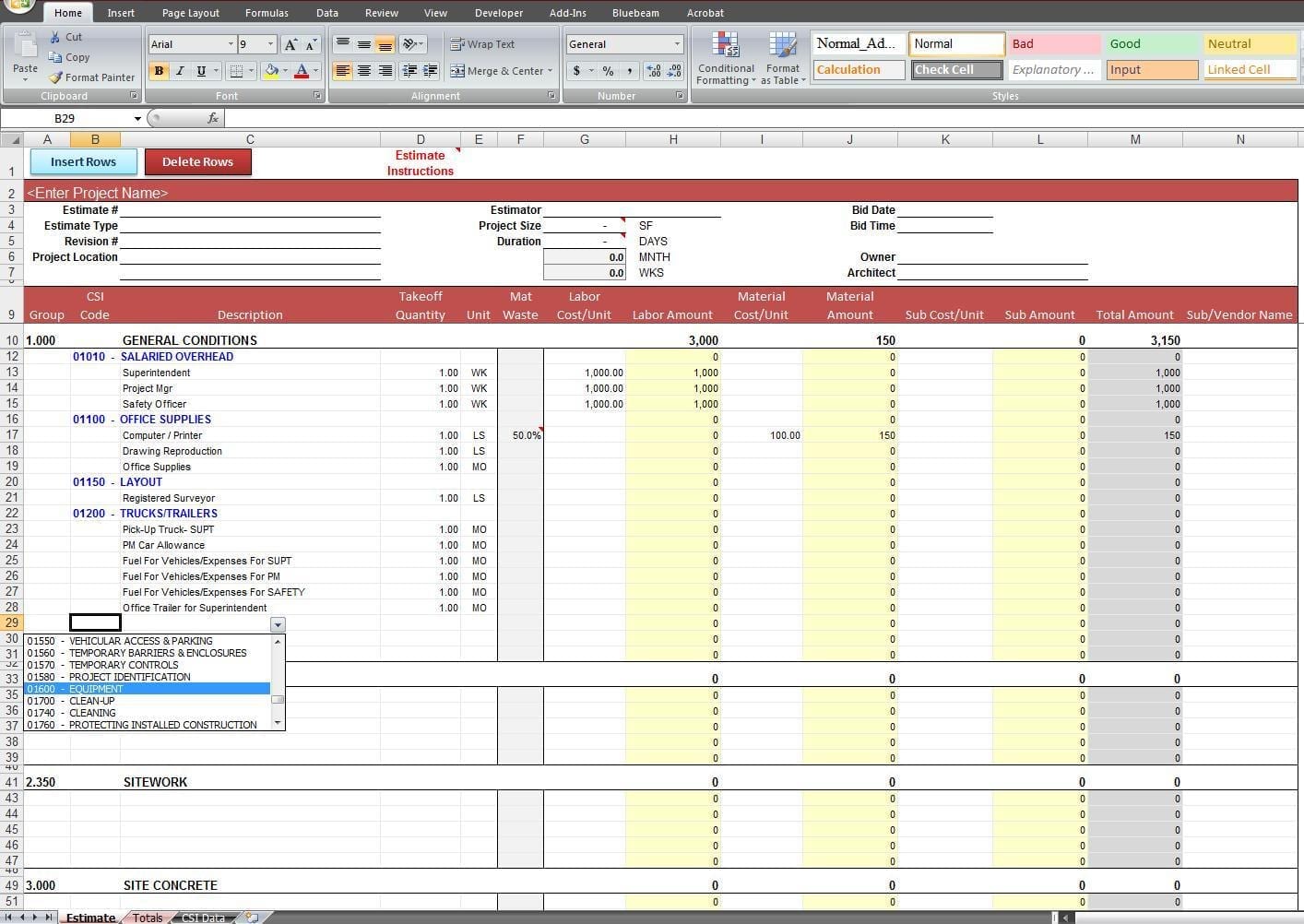
A job cost sheet is a document that lists the expenses incurred to execute a project. The accounting division frequently creates this report to check that spending stayed within predetermined limitations. A job cost sheet is often used together with other financial documents, such as income statements and balance sheets, to provide a complete picture of the business’s financial health. Hence, it’s an essential tool for managing costs and monitoring job progress. A job cost sheet is a document that lists every expense made to complete a project. This record is often generated by the accounting division to confirm that spending was within predetermined limits.
Create a Free Account and Ask Any Financial Question
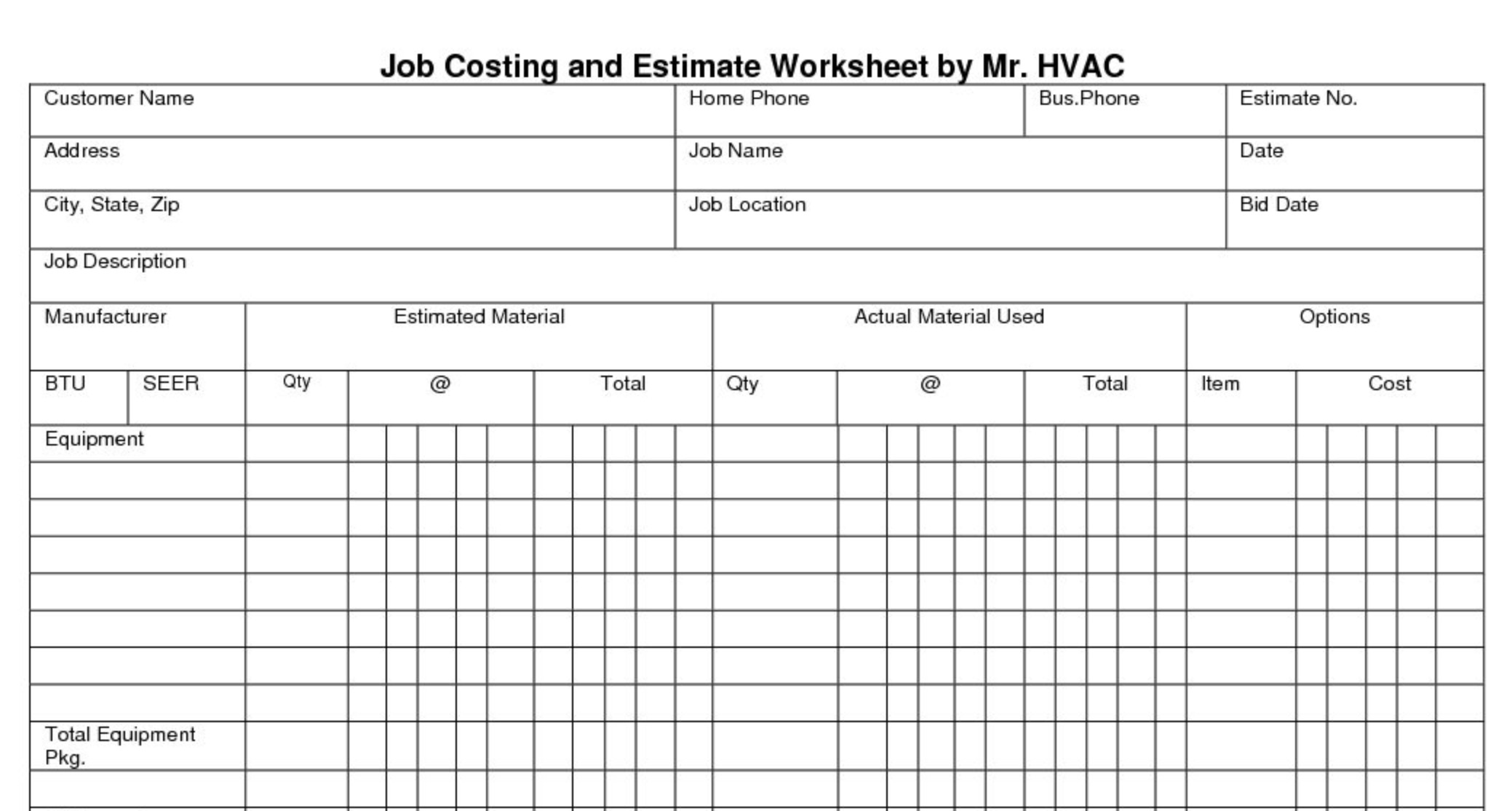
The total cost of a job is ascertained by posting all costs related to that job to the job cost sheet. Discover the essentials of job cost sheets, including their components, cost types, and their role in budgeting and forecasting. Advantages include increasing the efficiency and profitability of your business, cost control, and improving your decision-making process in future endeavors.
Project Budget Template
The accounting department prepares a report for the management team to determine whether work was correctly bid. The sheet may be generated concurrently with the job, but it is frequently completed afterward. For solutions and resources to ensure that you optimize your project costing, read our guide to project cost management. Also, it’s a key tool used to track the progress of a project to identify aspects where costs can be reduced and eliminated or efficiencies can be optimized. Knowing these can help improve processes, enhance profitability, and increase overall efficiency. Now that you have a schedule created, it’s quick and easy to see who’s working what hours and how much they’re getting paid.
Calculate Labor Costs
It is dynamic and ongoing, requiring continuous monitoring and reporting throughout the lifecycle of a project. This oversight ensures that the project stays aligned with its budget and meets its financial goals. Job order costing also supports finance and accounting teams during tax season and provides a clear understanding of how much the company can financially handle. The material costs of a job can be ascertained from the BOM or materials abstract prepared by the costing department using the materials requisition form. The unit of costing, under any job costing system, is a job or specific work order. These documents not only help in monitoring financial performance but also play a significant role in budgeting and forecasting future projects.
- If a job consists of a number of units of production, the total cost of the job is divided by the number of units to calculate the cost per unit.
- Once you’ve calculated your direct labour, direct materials, and overhead costs, simply add them together to find the total job cost.
- To calculate this, you typically multiply the daily rate, the number of workers, and the estimated duration of the project.
- By analyzing variances between planned and actual costs, these businesses can identify areas for enhancement, refine budgeting strategies, and enhance overall project management practices.
This should include office or manufacturing facility rent, electricity, internet and other business expenses. Because this is a difficult figure to discern, companies will often apply an overhead fee to each project of 10 percent of the job. Advertising Firms – Marketing and advertising costs may include rent, office supplies, computer software, utilities, internet services, and much more. Factoring the actual costs of the job into their prices will determine how much they charge to run an advertising campaign with a client. The material and labor costs of Job No. 101 and all other jobs worked on in November are shown below. Mobile time tracking allows employees to track time on scheduled jobs, giving your team valuable insight into how much each task costs.
Step 2. Calculate Direct Labor
If a project is going over budget, then either the scope or the time must be adjusted unless additional funding can be secured. Now that you’ve calculated your predetermined overhead rate, cost accounting standards for government contracts you can apply it to jobs for the purpose of job costing as the applied overhead cost. Job costing is commonly used by construction companies, where costs vary widely from job to job.
When generated accurately, job costing can provide a number of benefits to these types of small businesses. Getting your field professionals to report their labor hours correctly is a vital aspect of maintaining your revenue. It can be difficult to create a job cost sheet because it may involve different labor rates for a large number of workers, labor allocation for overtime pay, payroll taxes, and benefits paid to those workers. Plus potentially hundreds of other components, all of which should include the cost of shipping and handling.
Job cost sheets are usually prepared by the project manager or a designated member of the project team responsible for cost tracking and management. In some cases, an accountant or financial analyst may also be involved in the preparation of job cost sheets to ensure accuracy and compliance with accounting standards. A technique known as job costing allocates costs to production batches or work orders. Job costing is used as a method of costing to determine the expenses of certain work orders, which are considered small-sized contracts.